Back to School Duck Design: A Strategic Approach to Branding and Engagement
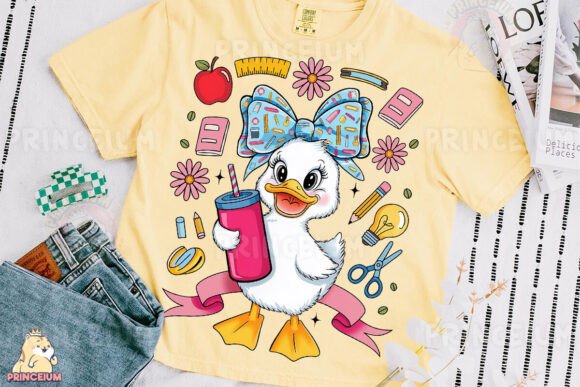
Back to School Duck Design is more than just a whimsical image of a duck wearing a giant school-supply bow. It represents a strategic visual element that can be leveraged across various platforms, from teacher apparel to classroom décor, to create a cohesive and memorable brand identity. This design is not only visually appealing but also serves as a powerful tool for communication, engagement, and branding in the educational and creative sectors.
The Strategic Value of Back to School Duck Design
When considering the use of Back to School Duck Design, it's important to recognize its potential to enhance brand recognition and foster emotional connections with your audience. The combination of a cute duck with vibrant classroom icons creates an instantly recognizable symbol that can be used to reinforce key messages about learning, creativity, and community.
For educators, this design can serve as a unifying theme across school events, promotional materials, and even student projects. For businesses, it offers an opportunity to align with the back-to-school season by creating products or services that resonate with parents, teachers, and students alike.
Use Cases for Back to School Duck Design
- Teacher Shirts: Incorporating the duck design into teacher apparel can help build a sense of camaraderie among staff while reinforcing a positive school culture.
- Back-to-School Crafts: Using the design in crafts allows students to engage with the theme creatively, making the transition back to school more enjoyable and meaningful.
- Kids’ Apparel: Featuring the duck on children’s clothing can make the school experience feel more exciting and less intimidating, especially for younger students.
Planning and Positioning with Purpose
Before integrating Back to School Duck Design into your strategy, it's essential to define clear goals. Are you looking to increase brand visibility? Build community engagement? Or simply create a fun and welcoming environment for students and teachers?
Once your objectives are established, consider how the duck design can support them. For example, if your goal is to promote a new line of educational products, using the duck design on packaging and marketing materials can help differentiate your offerings in a crowded market.
Additionally, think about the context in which the design will be used. Will it appear on digital platforms, physical merchandise, or both? Each medium may require a slightly different approach to ensure the design remains effective and consistent across all touchpoints.
Strategic Observations and Decision-Making
One of the most important aspects of using Back to School Duck Design is ensuring that it aligns with your overall brand identity. While the design is inherently playful, it should still reflect the values and mission of your organization. A mismatch between the design and your brand can lead to confusion or dilution of your message.
Another consideration is the target audience. While the duck design may appeal to children, it can also resonate with adults who appreciate lighthearted and creative visuals. This makes it a versatile asset that can be adapted for different demographics without losing its core appeal.
It's also worth exploring how the design can be integrated into broader campaigns or initiatives. For instance, pairing the duck with other seasonal themes or educational content can help create a more comprehensive and engaging experience for your audience.
Risks and Considerations
While Back to School Duck Design offers many benefits, there are also risks to be aware of. One common pitfall is using the design without a clear purpose or strategy. Simply adding the duck to every piece of content without thought can lead to a lack of focus and potentially confuse your audience.
Another risk is overusing the design in ways that could diminish its impact. It's important to find the right balance—using the duck enough to maintain visibility but not so much that it becomes overwhelming or distracting.
Finally, consider the long-term implications of your design choices. Will the duck remain relevant beyond the back-to-school season? How can you ensure that the design continues to support your goals even as your business or organization evolves?
Practical Examples and Planning Tips
To illustrate the potential of Back to School Duck Design, let's look at a few practical examples:
- Merchandise Line: Launch a limited-edition collection featuring the duck design on backpacks, notebooks, and water bottles. This can create a sense of urgency and exclusivity while promoting your brand.
- Social Media Campaign: Use the duck as a recurring visual element in your social media posts to create a cohesive and recognizable brand presence. Pair it with educational tips or school-related content to add value.
- Classroom Decor: Provide schools with printable posters or stickers featuring the duck design to use in classrooms. This not only supports educators but also reinforces your brand in a real-world setting.
When planning your use of the duck design, start by identifying your primary goals and audience. Then, develop a strategy that outlines how the design will be used, where it will appear, and what outcomes you expect. Regularly review and adjust your approach based on feedback and performance data to ensure continued success.
By approaching Back to School Duck Design with intention and strategy, you can transform a simple image into a powerful tool for branding, engagement, and communication. Whether you're an educator, marketer, or entrepreneur, the duck offers a unique opportunity to connect with your audience in a meaningful and memorable way.